

WorkNXT Insights Article
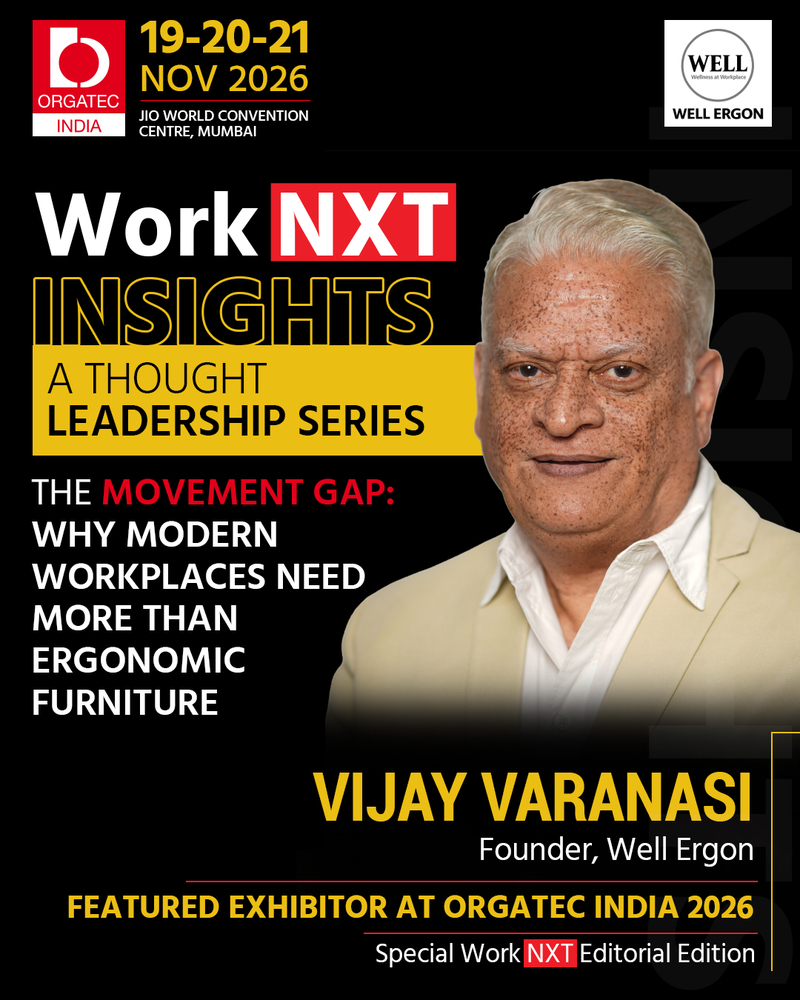
THE MOVEMENT GAP: WHY MODERN WORKPLACES NEED MORE THAN ERGONOMIC FURNITURE
We Have Designed Better Offices. But Have We Designed Better Working Habits? Modern offices have invested heavily in design, technology and comfort. From ergonomic chairs to collaborative spaces, organisations are paying more attention to how their workplaces look and function.
Yet one part of the working day remains largely unchanged. Employees still spend hours sitting at their desks, often with very few opportunities to move.
That is the movement gap in workplace design. Providing a comfortable workstation is important, but comfort should not mean staying in the same position throughout the day. The way a workplace is designed can either encourage movement or make sitting the default.
What an Active Workplace Needs to Consider
- Design for changing postures. Height-adjustable desks allow employees to alternate between sitting and standing throughout the day.
- Make movement part of work. Treadmill workstations and under-desk bikes offer opportunities to introduce light activity without stepping away from everyday tasks.
- Rethink unused spaces. Communal cycling stations and active furniture can turn overlooked office areas into more engaging environments.
- Give employees more choice. Different workstations and activity zones allow people to choose how they work, depending on their tasks and preferences.
At Well Ergon, this thinking shapes how we approach workplace wellness. Solutions such as our Charge Up Bike, Cycle Station and treadmill workstations are designed to bring movement into everyday office environments.
The objective is not to turn offices into fitness centres, but to make movement more accessible.
A Leadership Question
Organisations spend considerable time evaluating office layouts, furniture budgets and space utilisation. But how often do they ask whether their workplace encourages employees to move? The cost of a workstation is visible. The everyday experience it creates is less easily measured. As workplace expectations evolve, ergonomics needs to move beyond furniture selection and become part of a larger conversation about employee well-being.
A better workplace does not just make room for people. It makes room for movement.